
Blogs
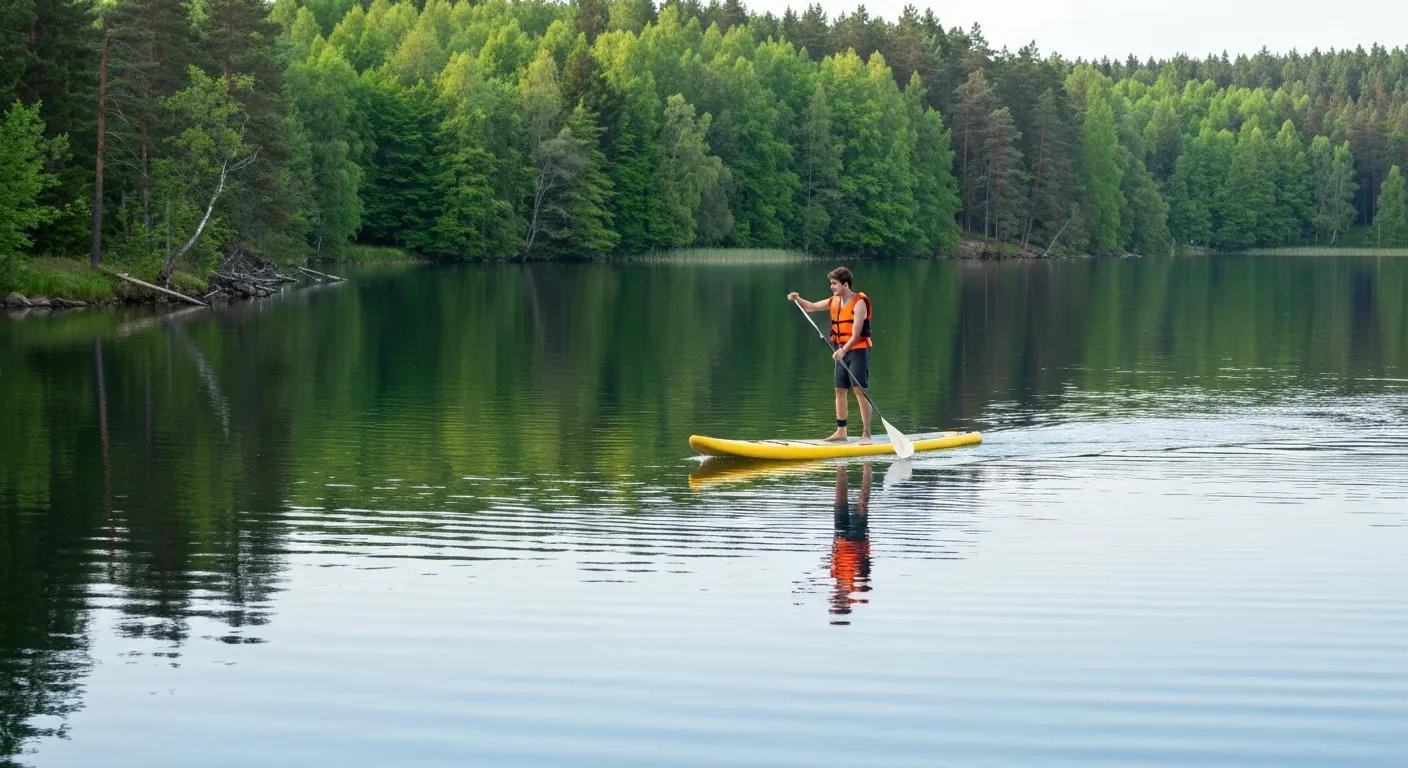
Ultimate Guide to Stand Up paddle Boarding in the New River Gorge
Discover River Gorge Paddleboarding
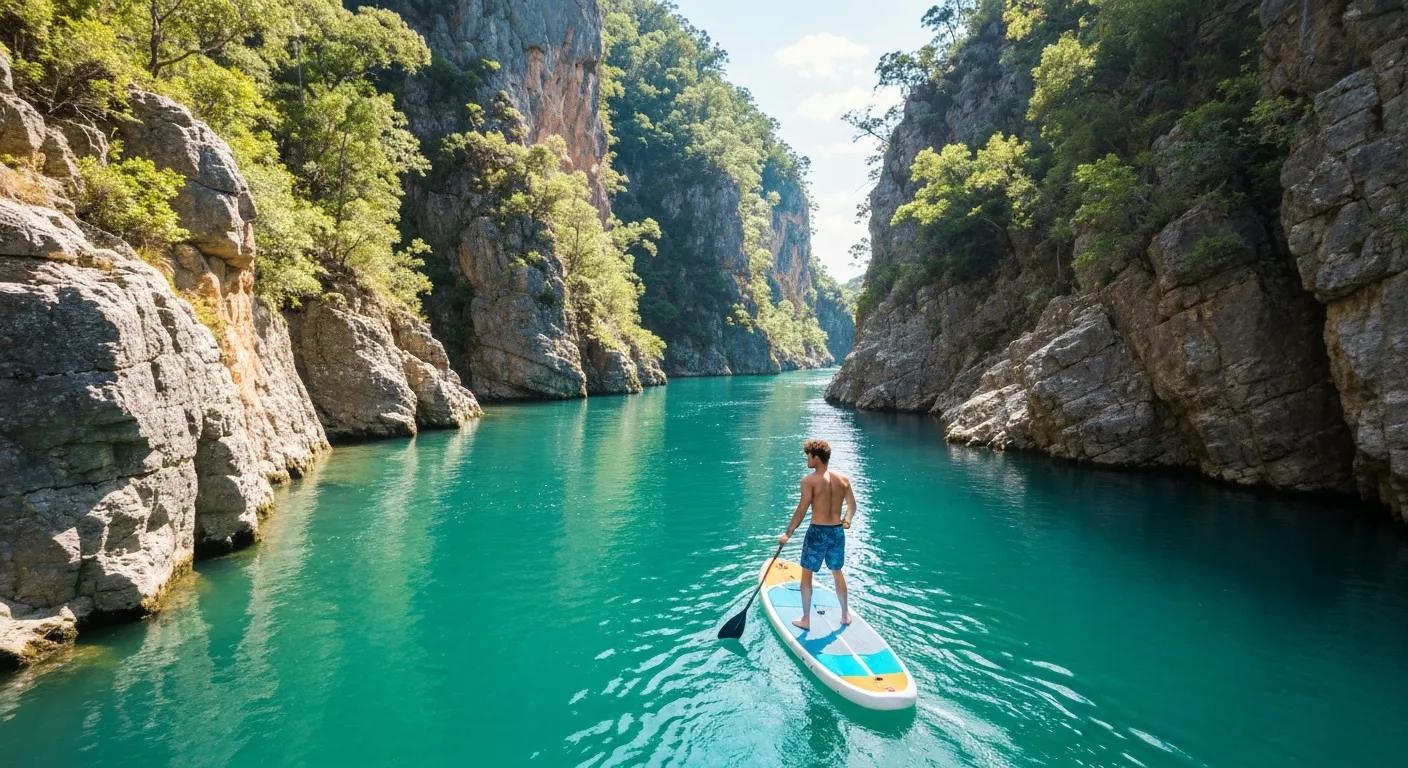
Stand up paddleboarding (SUP) on the New River Gorge blends calm-flatwater exploration with river-run moments — all framed by clear coves, sandstone cliffs, and forested ridgelines. This guide breaks down why the Gorge and nearby Summersville Lake are top picks for paddlers, which routes fit different skill levels, the core skills to practice, and how seasonal flows and weather shape the outing. If you want clear route info, practical safety steps, and simple rental or guided-tour options, you’ll find route-by-route comparisons, equipment checklists, and step-by-step progressions here so you can plan with confidence. We cover recommended launch areas, realistic distance and time expectations, board choices for local conditions, and how speeds learning and keeps you safer. Sections include best routes, beginner skill-building, essential gear and rules, where to rent and book guided tours, scenic highlights and wildlife, and nearby activities around Fayetteville, WV. Throughout, route difficulty, board-type comparisons, and season-specific tips help you pick the right SUP experience in the New River Gorge.
What Are the Best Paddle Board Routes in the New River Gorge?
The best paddle routes here range from protected lake loops to scenic river runs that reward paddlers with towering cliffs, quiet coves, and tucked-away inlets. Pick a route based on your skill level, current flow, and how much time you have; knowing distance and launch access makes matching goals to conditions easy. This section lists top picks for beginners and more experienced paddlers, notes key hazards, and includes a compact comparison so you can choose a run quickly and safely. Start with the short route-selection checklist below to match your ability and schedule, then explore the beginner and intermediate options in the following subsections.
Match your route to current water conditions and your comfort level; the next subsection highlights calm, beginner-friendly spots that are perfect for first sessions.
Which Beginner-Friendly Paddleboarding Spots Should You Explore?
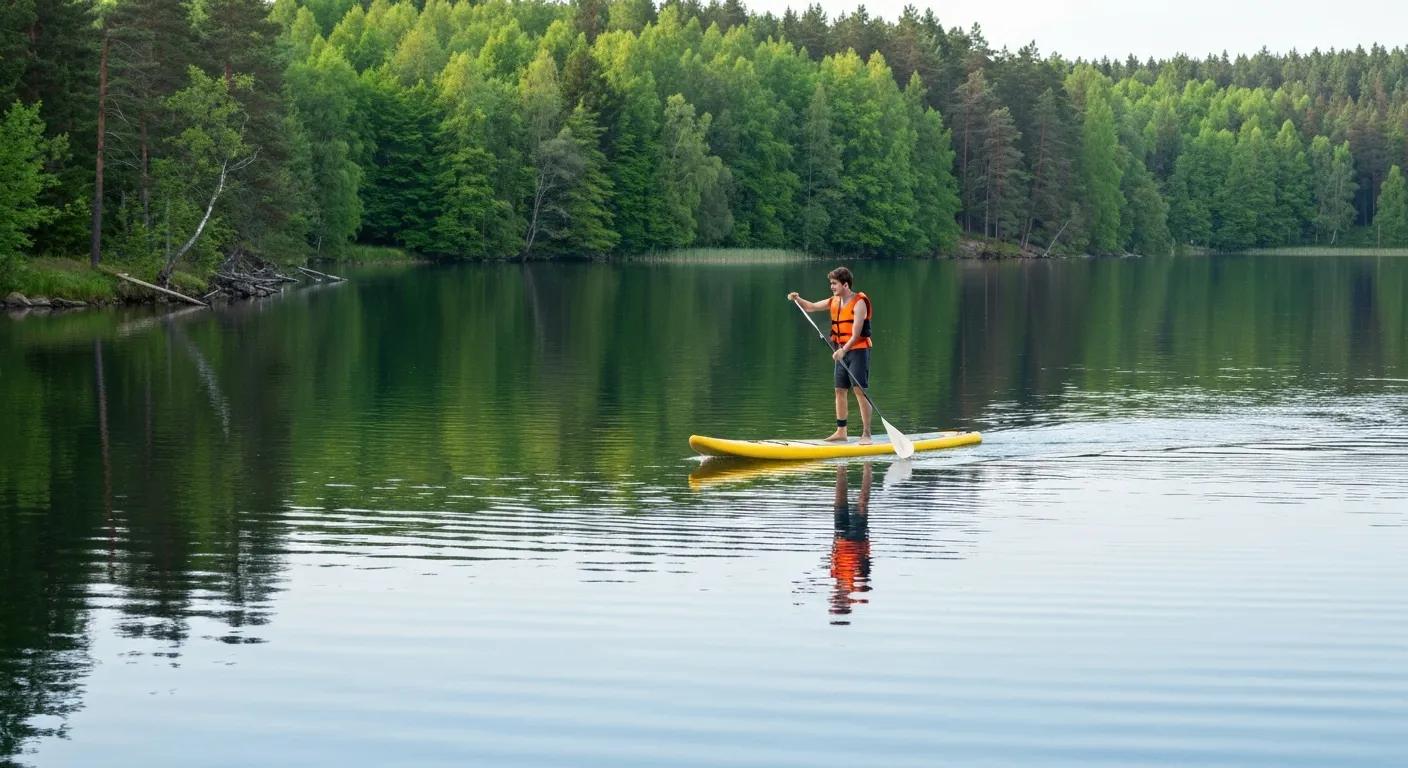
Beginner-friendly spots in the New River Gorge favor calm water, short carries to the launch, and sheltered waterways that help you develop balance and basic strokes. Summersville Lake and selected low-flow river coves offer broad, steady water where wind is often the main variable — ideal places to practice mounting, straightforward forward strokes, and gentle turns without strong currents. Most launch areas have parking and beach-style put-ins, so expect short walks with gear and an easy recovery after a spill. Time spent in these locations builds the core skills you’ll need for river sections and gives you confidence for longer outings or guided sessions.
These calm put-ins are the best stepping stones to more dynamic routes; the next subsection covers intermediate runs that demand current-reading and obstacle negotiation.
What Intermediate and Scenic Routes Are Ideal for Experienced Paddlers?
Intermediate and scenic runs include longer river sections and multi-cove lake loops with shifting currents, narrow channels, and dramatic cliff views that reward solid board control. These routes call for confident edging, efficient forward paddling, and the ability to read gradient-driven currents and eddies; choosing lower flows and favorable winds makes the trip safer and more enjoyable. Popular intermediate runs feature overlooks and quiet coves that are great for photos and wildlife, but expect longer distances — often several miles — and plan for return logistics or shuttles. For trickier river segments, a guided trip brings local route knowledge and an extra safety margin.
Knowing what intermediate runs demand points naturally to how beginners can speed learning with structured instruction and focused practice.
RouteDifficultyTypical Distance / LaunchSummersville Lake LoopBeginner2–5 miles; lake beach put-ins and coves ideal for short sessionsLower Gorge Cove CircuitBeginner–Intermediate3–6 miles; protected coves with occasional wind exposureNew River Gorge Scenic RunIntermediate4–8 miles; river section with variable current and cliff viewsGorge-to-Estuary Day RunIntermediate–Advanced6–12 miles; requires shuttle planning and current-reading skills
How Can Beginners Master Stand Up Paddle Boarding in the New River Gorge?
Beginners make the fastest progress by following a clear progression: cover on-land mechanics first, practice balance and basic strokes in sheltered water, then move to short lake loops and protected river coves while refining stroke efficiency. Breaking the sport into small, repeatable steps reduces risk and speeds learning. Many students report that a single focused session — on-land coaching plus a short guided float — shortens the learning curve and builds real confidence. Below we list the foundational skills and explain how on-land instruction prepares you for safe, independent paddling.
Once you’ve learned the basics, add targeted practice drills and safe progressions that lead to independent outings on calm routes.
What Basic SUP Skills Should Beginners Learn Before Hitting the Water?
Core SUP skills include a reliable mount, a neutral stance, an efficient forward stroke, controlled turns, and calm re-mounts after a fall — together these habits make paddling smoother and less tiring. Start kneeling, move to standing when you can hold balance and deliver relaxed forward strokes without flailing your upper body. Learn sweep and reverse-sweep turns rather than relying only on torso twists, and practice re-boarding from the side in calm water so a fall feels routine. Fix common beginner errors like gripping the paddle too tight, standing too upright, or overreaching on strokes to improve stability and reduce fatigue.
Mastering these basics sets you up for productive on-water practice; the next section explains how on-land drills speed that progress.
This list outlines three core beginner practice focuses: Mount and stance: Follow a knee-to-standing progression to build balance safely. Forward stroke mechanics: Use torso rotation and full-length strokes for better efficiency. Turning and recovery drills: Practice sweep turns and side re-boarding to stay in control.
Stand Up Paddling Versatility: Applications in Lacustrine, Fluvial, and Marine Environments
Stand up paddling works across lakes, rivers, and coastal waters. Paddlers use SUP for peaceful exploration as well as demanding exercise, showing the sport’s broad versatility.
Stand up paddling: flatwater to surf and rivers, 2011
How Does On-Land Instruction Prepare You for Paddleboarding Success?
On-land instruction bundles the essentials — gear fit, stance and stroke coaching, safety briefings, and rescue practice — into a low-pressure setting so your first time on the water is smoother and safer. A typical land session covers board sizing and leash fit, walks through mounting and standing steps, demonstrates forward and turning strokes, and rehearses basic recovery techniques; that structure lowers cognitive load when you transition to water. Instructors give targeted corrections to your body mechanics that are harder to deliver while you’re balancing, which speeds motor learning and confidence. For many beginners, pairing land coaching with a short guided paddle accelerates progress more than solo practice.
After you’re comfortable on land, you’ll be ready to pick gear suited to New River Gorge conditions and follow the safety checks that keep outings trouble-free.
What Essential Gear and Safety Tips Are Needed for Paddle Boarding in the New River Gorge?

Essential gear and safety tips focus on flotation, the right board for conditions, personal protection, and awareness of river features and weather. The right equipment boosts stability and emergency options: a well-fitted PFD, a leash chosen for the water type, and a dry-phone solution are basics. Board choice — inflatable versus hardboard — affects stability, transport, and performance in wind and current; match width and volume to rider weight and ability for safer handling. The equipment table below explains why each item matters and whether renting or buying makes sense locally, followed by core safety rules and pre-launch checks.
Knowing your gear helps you decide what board type and rental package fit your paddling profile.
Which Paddleboards and Equipment Are Best Suited for New River Gorge Conditions?
Inflatable SUPs are portable, forgiving, and easy to store — a great fit for Summersville Lake and mixed-access river launches — while hardboards give crisper tracking and speed for longer scenic miles. Choose a wider, higher-volume board for beginners and families to maximize stability; intermediate paddlers often prefer a narrower touring board for better glide on longer stretches. Paddle length should let you keep a slight forward lean with arms extended; adjustable paddles add flexibility for mixed groups. For many visitors, renting a stable inflatable is the most practical choice, removing transport hassles while performing well in the Gorge’s calm coves and moderate river runs.
Those equipment choices guide safety planning and what rental packages should include, which the next subsection covers.
Gear ItemWhy it MattersRecommendation / Rental vs. BuyPFD (Personal Flotation Device)Provides buoyancy and legal compliance in many water areasRent or bring a fitted PFD; mandatory for most outingsLeashKeeps board nearby after a fall, reducing separation riskUse coiled or straight leash depending on river vs. lake; rental included oftenInflatable SUPTransportable and stable for mixed-access sitesIdeal rental choice for beginners and familiesHardboard SUPBetter glide and responsiveness for longer runsBuy if pursuing advanced touring or fitness paddling
What Safety Precautions and Regulations Should Paddleboarders Follow?
Staying safe in the New River Gorge means wearing a PFD, carrying a signaling device, checking weather and flow before launch, and avoiding solo runs on unfamiliar river sections; groups should agree on turn-back points and emergency steps. River hazards include sudden current changes near constrictions, submerged rocks, and eddies that can trap a board; learn to read seams and pick sheltered eddies for rests. Observe park rules, minimize shoreline disturbance, and follow posted launch restrictions; leave-no-trace practices protect habitat and reduce user conflicts. In an emergency, use your board as a flotation aid, signal to shore or other paddlers, and move to shallow, protected water if you can while help arrives.
Key safety actions to remember: Always wear a PFD: Buoyancy improves survival and cuts fatigue. Check conditions: Wind, flow, and forecast guide safe route choice. Carry signaling: A whistle or voice and a dry-phone system help in rescues.
Fundamental Paddleboarding Techniques: Rental and Instructional Services in Sheltered Waters
Near shore, new paddlers hone balance, propulsion, and basic flow-reading in calm water. Many outfitters offer rentals and instruction designed for first-timers to build those foundational skills safely.
Adventure Carolinas: Your Go-to Guide for Multi-sport Outdoor Recreation, 2014
Where Can You Rent Paddleboards and Book Guided Tours in the New River Gorge?
Rentals and guided tours around the New River Gorge handle equipment, logistics, and local knowledge so you can focus on paddling and the view instead of transport or safety planning. Rentals usually follow a simple flow: reserve a date, sign a waiver at pickup, get an equipment briefing, and return gear by the agreed time; many outfitters include board, paddle, and PFD in the standard kit. Guided trips add a local expert who checks route conditions, points out landmarks and wildlife, and leads safe entries and exits; specialty guided events are timed for scenery, such as or full-moon paddles. The table below compares common tour and rental options so you can pick what fits your trip.
Knowing what rentals include and what guides add helps you choose between self-guiding and a guided experience with local insight.
What Guided Paddleboarding Tours Does Mountain Surf Paddle Sports Offer?
runs guided paddle sessions designed for scenic, beginner-friendly outings, plus specialty evening events that highlight atmosphere and photography. Their and each run about two hours and are listed at $50 per person — perfect for couples, small groups, and photographers. Guided sessions include beginner-focused on-land instruction, full equipment provided, and complimentary photos to remember the trip. For paddlers who want safety and local route knowledge, a guided outing is the fastest path to confident exploration, especially on scenic or variable-flow days.
Those guided choices show how local outfitters combine instruction, gear, and timing to create memorable SUP trips; next we explain common rental workflows and inclusions.
Tour / Rental OptionDurationPrice / Best forSunset Paddle Boarding~2 hours$50 per person; couples and photographersFull Moon Paddle Boarding~2 hours$50 per person; small groups and night photographyPaddleboard Rental (Full Day)Full dayVariable pricing; families and independent paddlers
How Do Paddleboard Rentals Work and What Are the Pricing Options?
Rentals typically follow a simple process: reserve your date, sign a liability waiver at pickup, get a quick gear orientation, and return everything at the agreed time; deposit and ID rules differ by outfitter. Standard rental kits usually include a board (inflatable or hard), paddle, leash, and PFD; some shops add a dry bag or a short safety briefing. Full-day rentals are popular for explorers who want time to combine paddling with hiking or picnicking; during peak season, book ahead and confirm launch logistics to avoid surprises. If you want local insight or photos, guided evening events and trips give structure and a relaxed pace.
Pick rental length and service based on your itinerary and skill: half-day for practice, full-day for exploration, and guided evening events for scenic, social outings.
Typical rental decision factors: Duration needed: Half-day for quick practice, full-day to explore. Equipment included: Confirm board type, PFD, and leash are provided. Reservation strategy: Book ahead during busy months to lock in dates.
Exponential Growth in Stand-Up Paddleboarding (SUP) Participation
Stand-up paddleboarding has grown rapidly as a recreational sport, with participation in the U.S. rising from about 1.1 million in 2010 to roughly 2.8 million in 2014.
Epidemiology of injuries in stand-up paddle boarding, J Furness, 2010
What Makes Paddle Boarding in the New River Gorge a Unique Scenic Adventure?
Paddling the New River Gorge is special because it puts you at water level beneath dramatic sandstone cliffs, in quiet coves framed by hardwood forests, and over clear pockets of water that refract light for vivid views. That perspective creates close wildlife opportunities — waterfowl, fish flashes in shallow bays, and occasional shoreline mammals — while allowing low-impact observation when paddlers respect distance and quiet. The mix of geology, water clarity, and largely undeveloped shorelines makes the Gorge excellent for photography and reflective paddling, very different from crowded beach spots. Local outfitters also run timed scenic events, like and , that underline the Gorge’s special evening atmosphere.
These scenic assets reward mindful viewing and timing; the subsections below list landmarks and explain how seasons change conditions and views.
Which Natural Landmarks and Wildlife Can You Experience While Paddleboarding?
On the water you’ll see sandstone bluffs, tucked coves, and forested ridgelines that create striking photo backdrops and natural wildlife corridors. Expect waterfowl and raptors along the river, occasional shoreline mammals at dawn or dusk, and fish visible in clear, shallow bays — especially away from busy put-ins. Respectful viewing — keeping distance, avoiding loud approaches, and leaving shores undisturbed — protects habitat and improves sightings. Guided tours often point out specific landmarks and animal behaviors, helping paddlers read the environment and practice low-impact observation.
Knowing these landmarks and likely species helps you plan when seasonal changes will most affect visibility and comfort.
How Do Seasonal Changes Affect Paddleboarding Conditions and Views?
Seasons change water temperature, flow, clarity, wind patterns, and visitor levels, so planning by season improves both safety and scenery. Spring runoff can raise flows and speed in river sections, so beginners should favor lakes or sheltered coves; summer usually brings the warmest water and calmer conditions for long loops. Fall delivers vivid foliage and cooler air — mid-September through October is prime for color paddles with generally stable flows. Winter limits options because of cold water and fewer services; only experienced paddlers with cold-water gear should consider outings then. Match your trip timing to the conditions you want — calm practice sessions or peak foliage for photos — to get the most out of your day.
These seasonal patterns pair naturally with other activities you can add to a Gorge trip.
What Other Outdoor Activities Complement Your Paddle Boarding Trip to the New River Gorge?
near the New River Gorge turn a paddle day into a full outdoor itinerary: hiking to overlooks, rock-climbing viewpoints, whitewater rafting for bigger thrills, and easy town dining and shopping in Fayetteville, WV. Pair a morning paddle with an afternoon trail or guided climb to balance low-impact time on the water with higher-intensity adventure. Photographers and birders often plan sunset paddles and town strolls to capture evening light and local flavor. Local outfitters and visitor resources can coordinate multi-activity days to reduce logistics and pack more experiences into a short stay. Below are recommended activities and lodging tips to help plan a balanced trip.
Combining SUP with other activities adds variety and lets you manage effort across a day or weekend.
Which Nearby Activities Should Outdoor Enthusiasts Explore?
Many visitors combine paddleboarding with hikes to scenic overlooks, guided whitewater rafting trips, or sport climbing sessions — each shows different sides of the Gorge’s geology and ecosystems. Pick gentle hikes for low-impact exploration after paddling, or book whitewater trips to feel the river’s dynamic character in a raft or kayak. Photography and birding pair well with early-morning paddles and late-afternoon hikes when light and wildlife activity are best. When planning, favor activities near your launch site to cut shuttle time and maximize on-water or on-trail time.
If you want an off-water adrenaline fix, the area also offers options like , great for groups looking for an extra thrill.
These pairing ideas help you choose where to stay and what local amenities to look for in Fayetteville, covered next.
Where Can Visitors Find Local Attractions and Accommodations in Fayetteville, WV?
Fayetteville, WV is the regional hub for lodging, dining, and outfitters near the New River Gorge, with choices from cozy inns to rental cabins that put you close to launch points. The town offers outfitters for gear and guided trips, local restaurants for post-paddle meals, and visitor centers with maps and seasonal advice; staying centrally shortens transfers to popular put-ins. For off-season travel, confirm lodging and outfitter availability and pack cold-water gear. Use local resources to time activities around your lodging so you spend less time driving and more time on the water or the trail.
Local trip-planning checklist: Book lodging near your preferred launch to cut shuttle time. Reserve rentals or guided tours in peak season to lock in dates. Pack for the season: sun protection for summer, layers for fall, and cold-water protocols for shoulder seasons.
Frequently Asked Questions
What is the best time of year to paddle board in the New River Gorge?
It depends on what you want. Spring brings higher flows from runoff and suits experienced paddlers; summer offers the warmest water and calmer conditions — great for beginners and long loops. Fall delivers peak foliage and often stable flows (mid-September through October is a favorite), making it ideal for scenic paddles. Winter is cold, services are reduced, and only experienced paddlers with proper cold-water gear should consider going out. Plan your trip around the conditions you prefer to maximize safety and enjoyment.
Are there any age restrictions for paddle boarding in the New River Gorge?
Age rules vary by rental company and guide. Kids can paddle, but they must wear a properly fitted PFD at all times; some outfitters require minors to be accompanied by an adult. Check with your chosen rental or tour provider for their age and supervision policies before you book.
What wildlife can you expect to see while paddle boarding?
Expect a good mix: waterfowl like ducks and herons, raptors such as eagles and hawks, occasional shoreline mammals at dawn or dusk, and visible fish in clear shallow bays. Practicing respectful viewing — keeping distance, staying quiet, and avoiding shoreline disturbance — improves sightings and protects habitat.
How can I improve my paddle boarding skills quickly?
Take a structured lesson with on-land instruction. Focus on basics — mounting, balance, and efficient strokes — and practice regularly in calm water. Group paddles or guided tours give real-time feedback from experienced instructors. Drills that target turning and re-boarding accelerate progress so you can move to longer or more technical routes sooner.
What should I do if I fall off my paddle board?
Stay calm. Swim to the side of the board and grab the handle or rail to stabilize it, kick your legs, and re-mount from your knees before standing. If there’s current, aim for the nearest shore or an eddy. Always wear a PFD and practice re-boarding in calm water so the sequence feels automatic when it happens on the river.
Can I paddle board alone, or is it safer to go with a group?
You can paddle alone, but it’s safer and more fun with others — especially for beginners or when exploring unfamiliar water. Paddling with a partner or group adds safety for equipment issues or falls and brings shared knowledge. If you do go solo, carry a reliable communication device, tell someone your plan, and stick to familiar, calm waters.

Our Customers Say About Us


It is a long established fact that a reader will be distracted by the readable content of a page when looking at its layout. The point of using Lorem Ipsum is that it has a more-or-less normal distribution of letters, as opposed to using ‘Content here, content here’, making it look like readable English.
It is a long established fact that a reader will be distracted by the readable content of a page when looking at its layout. The point of using Lorem Ipsum is that it has a more-or-less normal distribution of letters, as opposed to using ‘Content here, content here’, making it look like readable English.
Questions?
Get in touch with our team.
304-470-SURF

Quick Links
© Copyright 2026. Mountain Surf Paddle Sports. All rights reserved.